Solution Lifecycle Management in Power Platform Explained
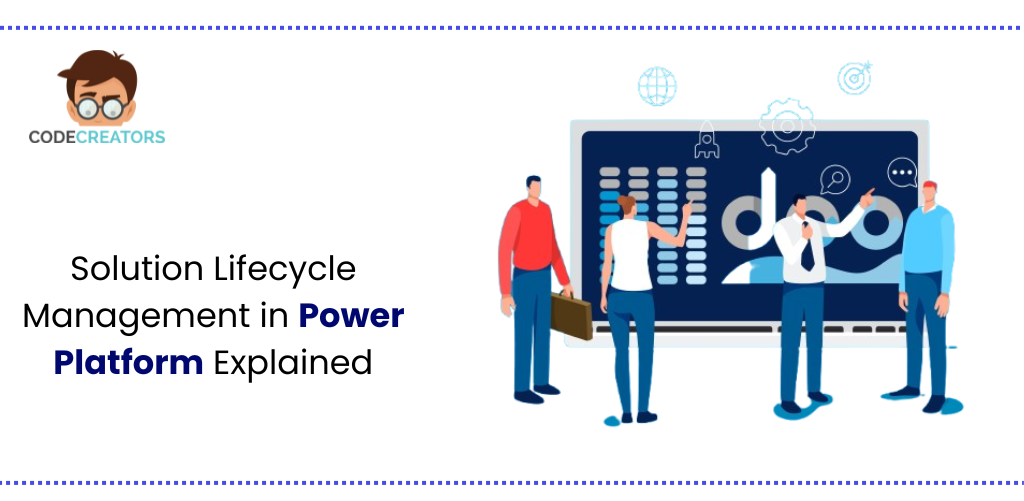
Lifecycle Management in Power Platform provides a structured framework for building, testing, and deploying business applications. In this article, we examine how this process, often called Application Lifecycle Management (ALM), ensures every update passes through a controlled environment.
By avoiding live changes that could disrupt daily operations, organizations protect their digital tools from accidental breaks. Following this professional “rulebook” ensures a seamless transition from an initial idea to a finished, stable product.
Lifecycle Management in Power Platform: The Three-Room Strategy
To understand how this works, think of your company as having three separate rooms for your digital projects. Each room has a specific purpose, and you must move through them in order.
1. The Development Room (Dev)
This is the “Workshop.” Here, makers and developers build new features, try out different buttons, and connect to new data sources. It is a safe space to fail. If a formula breaks or a screen looks messy, it doesn’t matter because no real customers or employees are using this version yet.
2. The Test Room (UAT)
Once the app looks good in the workshop, you move it to the “Test Room.” This is also called User Acceptance Testing (UAT). Here, a small group of users tries the app. They check for bugs and make sure the app actually solves their problems. This stage is critical for Lifecycle Management in Power Platform because it catches mistakes before they reach the whole company.
3. The Production Room (Prod)
This is the “Live” environment. This is where the finished, polished app lives. Only apps that have passed every test in the first two rooms are allowed here. Since you have already tested everything, you can be confident that the app will work perfectly for everyone.
Power Platform for Management and Better Governance
When a company grows, it can have hundreds of apps and thousands of users. Without a central plan, things can get chaotic. This is where Power Platform for management becomes essential. Microsoft provides built-in tools that help IT leaders track every app being built and ensure they all adhere to the same security standards.
Pipelines: The Fast Track to Success
In the past, moving an app from “Dev” to “Prod” was a manual and technical task. Today, Microsoft has introduced “Pipelines.” Think of a pipeline as a conveyor belt. A maker simply clicks a button that says “Deploy,” and the system automatically packs up the app, checks it for errors, and moves it to the next room.
This automation is a game-changer for the Power platform for management because it removes human error. You don’t have to worry about a developer forgetting to include a specific data table or an email trigger. The pipeline handles the heavy lifting, ensuring every deployment is identical to the one before it.
Managed vs. Unmanaged: Choosing Your Container
One of the most important parts of Solution Lifecycle Management is deciding how to “package” your work. In the Power Platform, we put our apps, flows, and tables into “Solutions.” There are two main types of solutions you need to know:
- Unmanaged Solutions: These are used in your Development room. They are “open boxes” that allow you to edit, add, or delete anything inside. They are meant for building, not for sharing with the whole company.
- Managed Solutions: These are used in your Test and Production rooms. They are “sealed boxes.” Once you import a managed solution into a live environment, users cannot change the internal parts. This protects the app from accidental edits that could break the system.
Best Practices for Lifecycle Management in Power Platform
If you want your projects to succeed at an enterprise level, you need to follow a few simple rules. These best practices for lifecycle management in Power Platform will save you hours of troubleshooting in the future:
- Never Build in Production: It is tempting to make a “quick fix” in the live environment. Don’t do it. A small typo can take down an entire department’s workflow. Always start in the Development room.
- Use Connection References: When you move an app from “Dev” to “Prod,” you often need to switch from a “Test Database” to a “Real Database.” Connection references allow the app to swap these connections automatically without you having to manually edit the app’s code.
- Keep it Modular: Instead of building one massive app that does everything, build smaller “Solutions” for specific tasks. This makes them easier to test, update, and manage.
- Automate with Pipelines: If your organization has the license for it, use native Pipelines. They provide a guided experience that makes even “Citizen Developers” (business users who aren’t pro-coders) feel like experts.
Does every small app need a full lifecycle management process?
It depends on the “Risk.” If an employee builds a simple personal calculator that only they use, they probably don’t need a three-room environment strategy. However, if the app handles customer data, processes payments, or is used by more than one team, then Lifecycle Management in Power Platform is mandatory. Even a small app can cause big problems if it breaks during a busy workday. As a rule of thumb, if the app’s failure would stop someone from doing their job, it needs a professional lifecycle.
The Benefits of a Structured Lifecycle
Why go through all this effort? Because the rewards are worth it. A structured lifecycle gives your business several massive advantages:
- Confidence: You can release new features on a Monday morning without worrying that the system will crash by noon.
- Collaboration: Multiple people can work on different parts of a project in the Dev room without stepping on each other’s toes.
- Auditability: Because every move is tracked through pipelines, you have a perfect record of who changed what and when. This is vital for security and compliance.
- Speed: While it sounds slower to use three rooms, it is actually faster in the long run. You spend less time fixing “Prod” bugs and more time building new solutions.
Conclusion:
Managing the life of your apps doesn’t have to be a headache. By separating your workshop from your living room, you create a culture of quality and reliability. Whether you are a solo maker or an IT director, embracing Lifecycle Management in Power Platform is the fastest way to turn the platform into a powerful engine for your business.
If you are ready to set up your first pipeline or need help designing an environment strategy that actually works, Code Creators is here to guide you. We specialize in helping companies implement these professional standards so they can scale with peace of mind.
Contact us today, and we will help you build a deployment plan that keeps your business running smoothly.
FAQs
Q: What is Lifecycle Management in Power Platform?
It is a step-by-step process for building and maintaining apps safely. Instead of editing a “live” app that everyone is using, you build it in a private workshop first. This prevents bugs from reaching your users and keeps your business running smoothly.
Q: What are Power Platform Pipelines?
Pipelines are automated “conveyor belts” built into the platform. They allow you to move your app from Development to Test to Production with a single click. This reduces human error and makes the Power Platform for management much easier for IT teams.
Q: Why is ALM important for my business?
It gives you confidence. You can update your apps on a busy Monday without worrying about a crash. It also creates a clear record of who changed what, which is vital for security and keeping your data organized.